
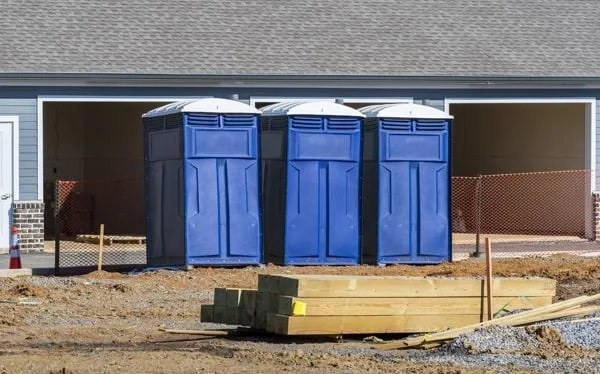
Start with where people are working
A useful toilet position serves the people who need it without making them cross an unsuitable working area. Describe the occupied part of the site and how it is expected to change. The rental contact can review a proposed position alongside the requested equipment.
List the units and washing facilities together. Space for an accessible unit’s approach and entrance, where required, is part of the arrangement. Do not assume a doorway or approach will work simply because the cabin itself fits a gap.
Check the ground and service access
Tell the provider about the standing surface, slopes, gates and obstacles that affect the proposed spot. Ask what the actual model and delivery method require. A temporary unit needs a suitable standing area and practical access for the agreed service.
Keep the facilities out of the way of changing work and other site equipment. If a fence, stockpile or vehicle later blocks access, contact the rental provider to review the arrangement. Service access should remain workable after the delivery vehicle has left.
Agree a move instead of improvising one
Project stages sometimes change the best location. Discuss the move, the new standing area and the effect on service before acting. The person supervising work should know which arrangement has been agreed and who can authorise a change.
For a quote, send the Cortland address, work period, equipment requirements and any useful receiving instructions. Final positioning should be settled for the actual property and offered units. This page supports the hire; it does not replace the provider’s equipment-specific directions.
Questions before you book
Can the crew move the units when work advances?
Discuss any move with the rental contact first. The new position and handling method need to suit the equipment and continuing service.